Therapy for Survivors of Violence & Abuse

Virtual Therapy in California​

You Survived What Happened to You

What happened to you was not your fault, and you do not have to rush your healing. Abuse and violence includes sexual abuse, harrasment, physical abuse, emotional abuse, stalking, human trafficking, or domestic violence. When someone abuses or abused you in childhood or adulthood, when the danger has passed, your mind and body may continue to carry the memories of what happened.

Your Mind and Body Have Been Protecting You

Post-traumatic response can look like flashbacks, nightmares, panic, hypervigilance, anger, depression, dissociation, difficulty concentrating, or feeling disconnected from yourself. Do they feel familiar to you? These responses are often ways your nervous system learned to protect you and help you survive. Rather than seeing these responses as something wrong with you, we can approach them with curiosity, compassion, and respect for the wisdom of your body.

Healing at YOUR pace

When you feel ready, we can work together in a grounded, collaborative space to process what happened. This may mean we move at your pace, and at speed you are ready for. You may experience reclaiming power that was taken from you. Together, we can support your mind and body to honoring the reactions that had to happen, and the normal responses that helped you survive. Liberation-centered healing is about reclaiming your voice, your body, your choices, and your sense of self, so you can experience liberation, reconnect with your authentic self, and self empowerment.

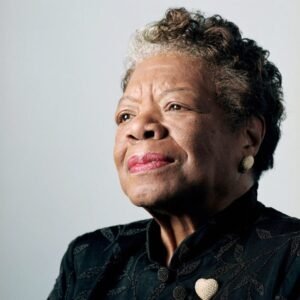
“Your connectedness to other people is so key to buffering any current stressor—and to healing from past trauma. Being with people who are present, supportive, and nurturing. Belonging.”
Dr. Bruce D. Perry
Psychiatrist, Writer

Brainspotting FAQ

Who is Brainspotting for?​

Brainspotting can be helpful for folks who feel stuck in patterns of anxiety, overwhelm, emotional triggers, or trauma responses. You understand what happened to you intellectually, but still feel like your body is holding onto the experiences. 
This is common for folks who have experienced internalized racism, internalized homophobia and transphobia, and intergenerational traumas.
You don’t need to have a specific trauma or memory that you want to work on. Sometimes we simply notice that something continues to affect you, even when you can’t quite explain why.
Many clients report feeling notable relief after each Brainspotting session with me. 

Brainspotting vs talk therapy?​

Talk therapy can be incredibly meaningful and healing. At the same time, talking about and intellectually understanding experiences can be inadequate for creating the shift survivors seek.
My work using Brainspotting trusts the body’s wisdom and invites your wholeself into the therapy session. Rather than only talking about an experience, we pay attention to what is happening internally and physiologically so YOU can connect with it.
For me, Brainspotting isn’t about replacing talk therapy. It’s another way of restoring wisdom that was inherently yours, reclaiming power that was taken from you, and helping you connect with your body’s  capacity for processing and resilience.

What does a Brainspotting session look like?

Our Brainspotting sessions will begin by slowing down and getting grounded. I may invite you to notice a feeling, thought, memory, or sensation in your body and gently explore what happens as you focus your gaze at different areas of your visual field.
You remain in control throughout the process. There is no need to force anything to happen or share more than feels right for you.
Brainspotting can look different for everyone. Sometimes there is a lot of emotional processing, and sometimes the experience is much quieter and more subtle. We will go at YOUR pace.

How does virtual Brainspotting work?

Brainspotting can be incorporated into virtual psychotherapy sessions. I will guide you through the process using your computer screen and help you notice your internal and physical responses as we work together.
Your comfort and sense of control are important to me. We can slow down, pause, or adjust the process whenever you need.
You don’t have to know exactly what you need before reaching out. We can begin there together.

Can Brainspotting help with trauma?

Brainspotting can be a helpful trauma-processing technique for folks who have experienced Post-traumatic stress disorder (PTSD) and acute trauma, anxiety and panic symptoms, stress, depression and mood issues, chronic physical pain, and more.
A traumatized body is holding onto the memories of the trauma, especially for those who have experienced internalized racism, internalized homophobia and transphobia, and intergenerational traumas.
Trauma isn’t only something we remember with our minds. It can also show up through our bodies, emotions, relationships, and nervous systems. Brainspotting gives us another way to work with these experiences beyond talking about what happened.

Is Brainspotting right for me?

There is no one therapy approach that works for everyone.
In our sessions together, we may explore using Brainspotting if you feel like you’ve talked about something many times but still feel stuck, if you notice that certain experiences or memories ruminate, or if you’re looking for a deeper, more experiential way of working through trauma and emotional overwhelm.
During our consultation, we can talk about what you’re experiencing and whether Brainspotting feels like a good fit for your needs.

How I can help you...

My approach integrates Brainspotting and Eye Movement Desensitization and Reprocessing (EMDR), along with Liberation Psychology, Critical Race Theory, identity and belonging work, and exploration of the intersections of culture, race, gender, and sexuality. I incorporate somatic awareness, mindfulness, and self-compassion to help you notice how stress and trauma can be held in the body, while creating space to process difficult experiences and develop greater awareness of the patterns you may have learned or inherited.

Together, we explore how trauma, racism, oppression, family patterns, cultural experiences, and identities may shape the way you see yourself, relate to others, and experience your body and emotions. 

Our sessions together help to put language to your experiences, process and heal trauma, understand intergenerational and learned patterns, challenge internalized oppressive beliefs, and reconnect with your identity and sense of belonging. I support you in developing greater self-compassion, resilience, agency, and liberating yourself to live more authentically—while reclaiming the parts of yourself, your culture, and your story that may have been silenced.

Brainspotting Trauma Therapy
Schedule a free 15 minutes phone consultation
619-719-5567
angel@crescentshorespsychotherapy.com
I live and work on unceded land of Kumeyaay Nation.
To learn more and join me in supporting Indigenous communities,
visit Native Governance Center, Museum of Us, and Native Lands.